Automation Systems for Canadian Manufacturers Seeking Digital Transformation
Canadian manufacturing is under pressure from several directions at once. Labour is tighter than it was a decade ago. Customers expect shorter lead times and more traceability. Energy, compliance, and maintenance costs keep climbing. At the same time, margins in many sectors remain stubbornly thin. In that environment, digital transformation is not a branding exercise. It is a practical attempt to produce more output, with fewer disruptions, and with better visibility into what is happening on the floor.
That is where automation systems matter. Not as abstract technology, and not as a wholesale replacement for people, but as the framework that lets a plant operate with consistency. For Canadian manufacturers, the most successful automation efforts usually start with a simple question: where are we losing time, quality, or information, and what system can realistically fix that without creating a bigger problem elsewhere?
In my experience, the strongest projects are rarely the flashiest. They are the ones that reduce changeover time by 20 minutes, prevent a packaging line from stopping three times per shift, or let a supervisor see live downtime causes instead of piecing the story together the next morning. Those gains compound quickly. When companies talk about industrial automation Canada initiatives, this is what they often mean in practical terms: fewer surprises, more control, and decisions based on actual data rather than assumptions.
What digital transformation looks like on a manufacturing floor
Digital transformation in manufacturing is often framed too broadly. On the plant floor, it usually comes down to connecting machines, people, and production data so that operations can be measured and improved in near real time. That might involve upgrading standalone equipment with modern controls, adding sensors to legacy assets, introducing SCADA or MES layers, or integrating production systems with ERP so the front office and shop floor are no longer operating from different versions of reality.
A midsize food processor in Ontario offers a familiar example. The company had decent equipment, a capable maintenance team, and strong customer demand, but line efficiency lagged because operators recorded production counts manually and downtime codes were inconsistent. Every weekly review turned into an argument over whether the issue was staffing, raw material quality, or machine reliability. The automation project was not dramatic. They added machine data capture, standardized downtime categories, and put simple production dashboards at the line. Within a few months, they found a repeat fault on a conveyor drive that had been misclassified for over a year. Fixing that one issue improved throughput enough to delay a capital purchase.
That is a common pattern. Manufacturing automation pays off when it reveals the true bottleneck. Until then, many plants spend money treating symptoms.
The automation systems that usually move the needle
There is no universal stack for factory automation. The right design depends on process type, product mix, regulatory requirements, maintenance capabilities, and budget. Still, most industrial automation solutions that create lasting value in Canadian facilities involve a combination of controls, data collection, and integration.

At the machine level, PLCs and HMIs remain foundational. Good controls architecture gives a line repeatability. Operators get clear machine states, alarms make sense, and technicians can troubleshoot without digging through years of undocumented changes. Plants that grew through piecemeal expansion often have a mix of old and new controls, different vendor standards, and wiring practices that vary by production area. Standardization alone can remove a surprising amount of friction.
Above that layer, SCADA and historian platforms bring visibility. They help teams see trends in temperature, cycle time, pressure, speed, and downtime. That matters in continuous process environments such as food, chemical, and building products, but it also matters in discrete manufacturing where small changes in machine behavior can affect scrap, output, or tool life.
MES sits in a more complicated space. Done well, it bridges scheduling, work instructions, quality checks, lot traceability, labour reporting, and production performance. Done poorly, it becomes a cumbersome admin burden that operators work around. Many manufacturers underestimate the process discipline required before MES can deliver value. If routings are inaccurate, operator workflows are inconsistent, and quality checkpoints are informal, software alone will not fix the problem.
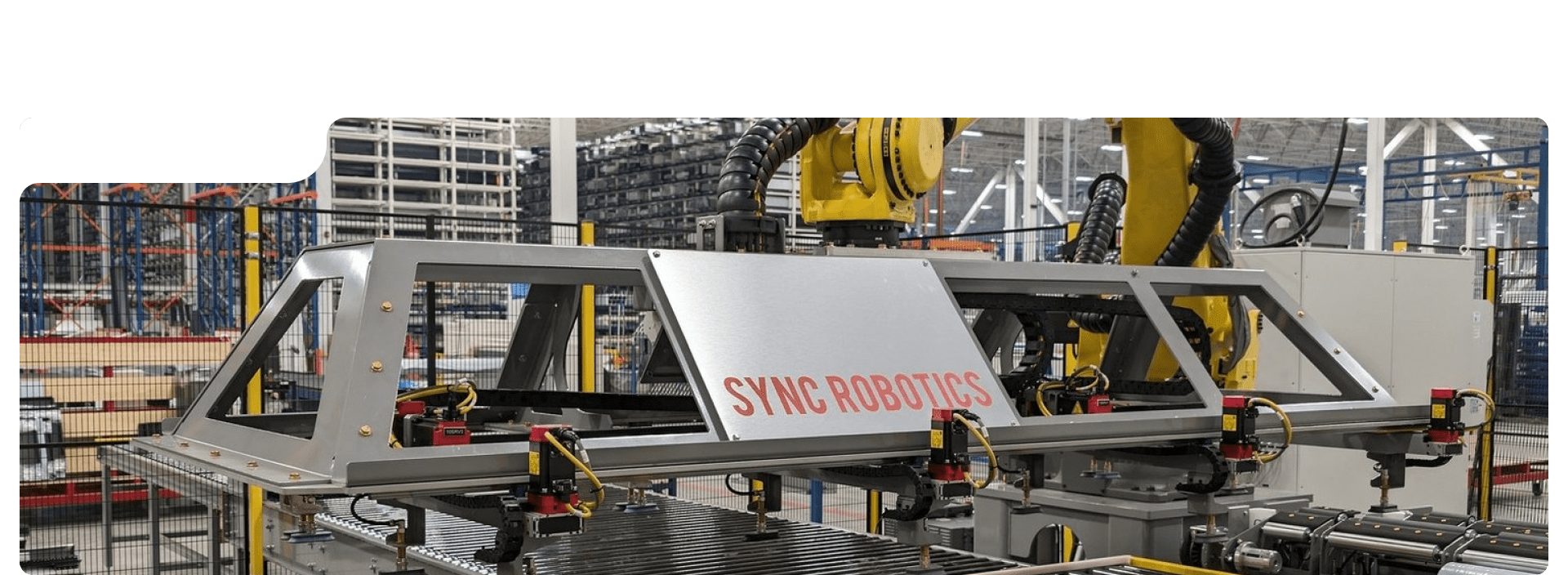
Robotics deserves the attention it gets, but with some perspective. Robots can solve labour shortages, improve consistency, and handle repetitive or ergonomically difficult tasks. Palletizing, pick and place, machine tending, and packaging are common wins. But a robot placed into an unstable process often just exposes upstream problems faster. If parts arrive inconsistently, if fixtures vary, or if product presentation is unreliable, the cell will struggle. In those cases, the best automation decision may be to stabilize the surrounding process before buying the robot.
Why Canada has its own automation considerations
Industrial automation in Canada comes with realities that differ from some larger manufacturing markets. Geography matters. A plant in the Greater Toronto Area can usually access technical support, integration partners, and replacement parts more easily than a facility in northern Alberta or Atlantic Canada. Remote sites often need systems designed for self-sufficiency, with stronger remote diagnostics, local spare parts strategy, and training that enables internal teams to handle first response.
The labour market also shapes decisions. Many manufacturers are not automating because they want a lights-out facility. They are automating because they cannot reliably staff physically demanding, repetitive, or hard-to-retain roles. That changes how projects should be evaluated. The return is not just in direct labour reduction. It may be in reduced overtime, lower turnover, improved safety, or the ability to sustain second shift production with a smaller crew.
Energy and environmental performance are also more relevant than they used to be. Variable frequency drives, compressed air monitoring, smarter boiler or refrigeration controls, and load management strategies can become part of the automation conversation, especially where utility costs are significant. For some plants, the quickest digital transformation win is not on the production line but in the utility room.
Bilingual operations, customer traceability demands, and compliance frameworks in sectors such as food, pharmaceuticals, and aerospace add another layer. Systems need to support documentation, auditability, and standardized work, not just machine motion.
The first mistake, automating a broken process
One of the most expensive errors in manufacturing automation is trying to automate chaos. If a line has unstable incoming materials, inconsistent work methods, poorly defined quality criteria, or constant schedule changes, automation can magnify the pain instead of reducing it.
A metal fabrication shop I visited had invested in an automated material handling setup to speed flow between cutting and forming. The equipment was sound. The problem was upstream job release. Work orders were pushed to the floor with missing details, priorities changed several times a day, and tooling setups were not standardized. The automation cell spent too much time waiting, rerouting, or handling exceptions. Leadership initially blamed the technology. In reality, the system was exposing planning and process discipline issues that manual work had previously absorbed.
That does not mean every process must be perfect before automation begins. If plants waited for perfection, nothing would happen. It means the process should be understood well enough that variation is visible, root causes are known, and the automation design accounts for real operating conditions.
A good rule is simple: if your best operators rely on memory, workarounds, and intuition to keep a process moving, document and stabilize that process before adding complexity.
Where manufacturers often see the fastest returns
The best opportunities are not always where people first look. Fully automated production lines get attention, but many of the strongest returns come from narrow interventions that remove chronic friction.
Here are five areas that frequently justify investment:
- End-of-line packaging and palletizing, where repetitive labour is hard to staff and ergonomics are poor
- Machine monitoring and OEE visibility, especially in plants still relying on handwritten production logs
- Automated inspection for repeatable quality checks that humans struggle to perform consistently over long shifts
- Material handling between process steps, when work in progress creates congestion and delays
- Changeover support systems, including recipe management, guided setup, and automatic parameter loading
Each of these areas can improve throughput without requiring a full plant overhaul. They also tend to generate useful operational data, which supports the next stage of digital transformation.
Legacy equipment is not a dead end
A lot of Canadian plants are running assets that are 15, 20, or even 30 years old. Some of those machines are mechanically robust and still productive. The fact that they are old does not automatically mean they should be replaced. In many cases, selective modernization makes more sense than a full capital purchase.
Retrofitting a legacy machine with updated controls, sensor packages, network connectivity, and safety upgrades can extend useful life at a fraction of replacement cost. It can also make the machine visible to the rest of the operation for the first time. Production counts, alarm histories, cycle times, and condition data become accessible, which changes how maintenance and scheduling decisions are made.
That said, retrofit projects demand honest evaluation. If the mechanical condition is poor, documentation is missing, spare parts are disappearing, and process capability is no longer acceptable, a retrofit may only delay a larger problem. I have seen plants spend heavily on controls upgrades for machines that should have been retired. They ended up with modern interfaces wrapped around unreliable mechanics.
The right choice depends on total lifecycle cost, not nostalgia for equipment that has served well in the past.
Integration is where many projects either succeed or stall
Buying equipment is usually easier than integrating it. The complexity begins when new automation systems need to communicate with existing lines, quality systems, ERP, warehouse systems, and maintenance workflows. If integration is treated as an afterthought, the project can meet its technical specifications and still fail operationally.
For example, a new automated packaging cell may perform well in a FAT or SAT environment, but if order data must still be entered manually, label formats are inconsistent, and downtime events are not synchronized with production reporting, the cell becomes one more isolated island. The plant gets motion without visibility.
This is why integration architecture matters. Tag naming standards, network segmentation, user permissions, historian structure, alarm philosophy, and data ownership should be discussed early. It is not glamorous work, but it is the difference between having useful factory automation and having a collection of disconnected assets.
Cybersecurity belongs in the same conversation. More connectivity means more exposure. Manufacturers https://www.syncrobotics.ca/industries/manufacturing/ do not need fear-driven messaging, but they do need practical discipline. Segmented industrial networks, managed remote access, backup and recovery plans, and patching procedures are now basic requirements. Plants that once treated controls infrastructure as separate from IT increasingly find that boundary has disappeared.

Choosing industrial automation solutions that fit the operation
Technology selection should reflect the maturity of the plant. A manufacturer with strong engineering resources and a culture of continuous improvement can absorb more complexity than a site with one overextended maintenance supervisor and limited controls support. This sounds obvious, but it gets ignored surprisingly often.
The best industrial automation solutions are the ones the site can sustain. That includes troubleshooting, preventive maintenance, spare parts stocking, operator training, and ongoing optimization. A highly sophisticated system that depends entirely on external support may work well for a flagship facility near a major city. It may be a bad fit for a smaller regional plant that needs quick, local response.
Vendors and integrators also matter more than many buyers expect. The technical proposal is only part of the picture. Ask how documentation is delivered. Ask who owns the source code. Ask how change management is handled after commissioning. Ask what happens on a long weekend when the line is down. A polished sales process can hide weak execution. Plants usually learn this too late.
When evaluating options, I tend to look for a few signs of a good fit:
- The proposed system uses standards that internal staff can realistically support
- The automation scope solves a defined operational problem, not a vague ambition
- Data from the system will be visible and actionable for supervisors, maintenance, and quality teams
- The design includes commissioning, training, and post startup support, not just installation
- Future expansion has been considered, even if phase one is intentionally modest
That discipline prevents many expensive detours.
The human side is not secondary
One reason digital transformation stalls is that leaders frame it as a technology rollout rather than an operating model change. Machines do not resist change, but people can, especially when they have seen past initiatives create more work without making the job easier.
Operators want to know whether the new system will slow them down, expose them unfairly, or eliminate roles. Maintenance teams want to know if they are inheriting something fragile and undocumented. Supervisors want reporting that helps them manage, not another screen to check.
The strongest plants involve these groups early. They let operators comment on HMI design. They include maintenance technicians in reviews of spare parts strategy and fault diagnostics. They build standard work around the actual pace and realities of the shift, not around how the process is supposed to run on paper.
Training should also be practical. A two hour session during startup week rarely sticks, especially if the line is still being tuned. Refresher training after the system has been running for a few weeks is often more valuable because teams then have context and questions based on real use.
It is also worth saying plainly that automation does change jobs. In healthy implementations, it tends to remove repetitive strain, reduce firefighting, and shift effort toward oversight, troubleshooting, quality, and flow management. But that transition does not happen automatically. Plants need to plan for it.
Measuring whether transformation is actually working
Manufacturers sometimes launch automation projects with broad expectations and weak metrics. Then, six months after startup, they struggle to say whether the investment truly paid off. That is avoidable.
Success measures should be tied to the problem being solved. If labour scarcity drove the project, then overtime reduction, staffing flexibility, and retention may matter as much as pure headcount. If quality drove the project, then first pass yield, complaint rates, or traceability performance may be more important than line speed. If downtime drove the project, then mean time between failure and mean time to repair belong in the scorecard.
OEE can be helpful, but only if used carefully. In some plants it becomes a political number rather than a management tool. I prefer a narrower view: what changed in throughput, planned versus actual run time, scrap, unplanned stops, and schedule adherence? Those indicators are harder to hide behind.
Another practical point, early performance often dips after startup. That is normal. Operators are learning, maintenance is finding weak points, and process settings are still being optimized. Sensible leaders expect a ramp-up period. Unrealistic expectations create blame, and blame makes teams hide problems instead of solving them.
A phased roadmap usually beats a grand redesign
There is a reason many successful digital transformation programs in manufacturing unfold in stages. Plants need wins that build confidence, free up resources, and sharpen the business case for larger investments. A phased roadmap also gives teams time to absorb change.
A sensible sequence might start with visibility, then move to control, then optimization. First, connect critical assets and collect reliable data. Second, standardize controls and operator interfaces in problem areas. Third, introduce targeted automation where the economics and workflow support it. After that, stronger integration with planning, quality, and maintenance systems becomes much easier because the underlying process is less opaque.
This approach may feel slower than a sweeping transformation plan, but it is usually faster in real terms because it avoids major rework. It also reduces risk. In manufacturing, momentum matters. A plant that delivers two or three successful automation phases becomes far more capable of handling the next one.
What manufacturers should expect from the next few years
The near future for automation systems in Canadian manufacturing will likely be shaped less by novelty and more by practicality. Plants will keep investing in robotics where labour remains scarce. More legacy assets will be connected for monitoring and diagnostics. Data infrastructure will get cleaner because leaders are tired of making production decisions from delayed, inconsistent reports. Remote support will continue to expand, especially for facilities far from major technical hubs. And cybersecurity will move from a specialist concern to a plant management concern.
The more important shift, though, is cultural. Manufacturers are getting better at asking the right question before approving automation spending. Not “What technology should we buy?” but “What operating problem are we solving, what changes on the floor when we solve it, and can our team sustain the result?”
That is the right mindset. Digital transformation in manufacturing is not about looking advanced. It is about making the plant more predictable, more productive, and easier to run under real Canadian operating conditions. When automation systems are chosen with that level of discipline, they do more than automate tasks. They create a stronger business.
Sync Robotics Inc. — Business Info (NAP)
Name: Sync Robotics Inc.Address: 2-683 Dease Rd, Kelowna, BC V1X 4A4
Phone: +1-250-753-7161
Website: https://www.syncrobotics.ca/
Email: [email protected]
Sales Email: [email protected]
Hours:
Monday: 8:00 AM – 4:30 PM
Tuesday: 8:00 AM – 4:30 PM
Wednesday: 8:00 AM – 4:30 PM
Thursday: 8:00 AM – 4:30 PM
Friday: 8:00 AM – 4:30 PM
Saturday: Closed
Sunday: Closed
Service Area: Kelowna, British Columbia and across Canada
Open-location code (Plus Code): VHWR+PQ Kelowna, British Columbia
Map/listing URL: https://maps.app.goo.gl/xwtV2wEu8ZuKH3se8
Embed iframe:
Socials (canonical https URLs):
LinkedIn: https://www.linkedin.com/company/syncrobotics/
Instagram: https://www.instagram.com/syncrobotics/
Facebook: https://www.facebook.com/syncrobotics/
https://www.syncrobotics.ca/
Sync Robotics Inc. is an industrial robot and controls integration company based in Kelowna, British Columbia.
The company designs and deploys automation solutions for manufacturing operations across Canada.
Services include industrial robotics integration, controls integration, automation system design, deployment support, and related manufacturing automation solutions.
Sync Robotics Inc. is located at 2-683 Dease Rd, Kelowna, BC V1X 4A4.
To contact Sync Robotics Inc., call +1-250-753-7161 or email [email protected].
For sales inquiries, email [email protected].
Hours listed are Monday to Friday 8:00 AM–4:30 PM, with Saturday and Sunday closed.
For directions and listing details, use the map listing: https://maps.app.goo.gl/xwtV2wEu8ZuKH3se8
Popular Questions About Sync Robotics Inc.
What does Sync Robotics Inc. do?Sync Robotics Inc. designs and deploys industrial robot and controls integration solutions for manufacturing operations.
Where is Sync Robotics Inc. located?
Sync Robotics Inc. is located at 2-683 Dease Rd, Kelowna, BC V1X 4A4.
Does Sync Robotics Inc. serve clients outside Kelowna?
Yes—Sync Robotics Inc. is based in Kelowna, British Columbia and serves clients across Canada.
What are Sync Robotics Inc.’s hours?
Monday–Friday: 8:00 AM–4:30 PM; Saturday and Sunday closed.
How can I contact Sync Robotics Inc.?
Phone: +1-250-753-7161
General Email: [email protected]
Sales Email: [email protected]
Website: https://www.syncrobotics.ca/
Map: https://maps.app.goo.gl/xwtV2wEu8ZuKH3se8
LinkedIn: https://www.linkedin.com/company/syncrobotics/
Instagram: https://www.instagram.com/syncrobotics/
Facebook: https://www.facebook.com/syncrobotics/
Landmarks Near Kelowna, BC
1) Kelowna International Airport2) UBC Okanagan
3) Rutland
4) Orchard Park Shopping Centre
5) Mission Creek Regional Park
6) Downtown Kelowna
7) Waterfront Park